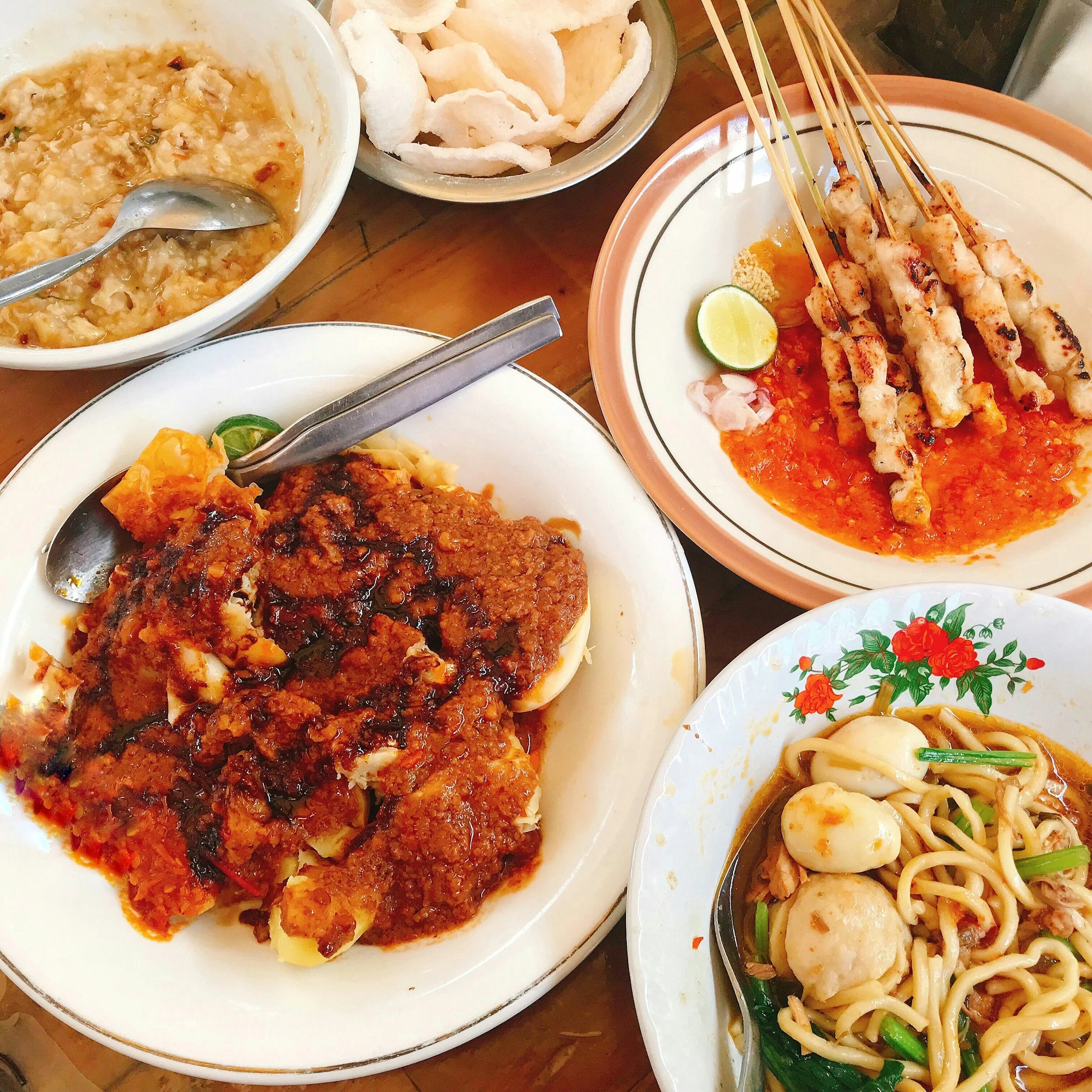
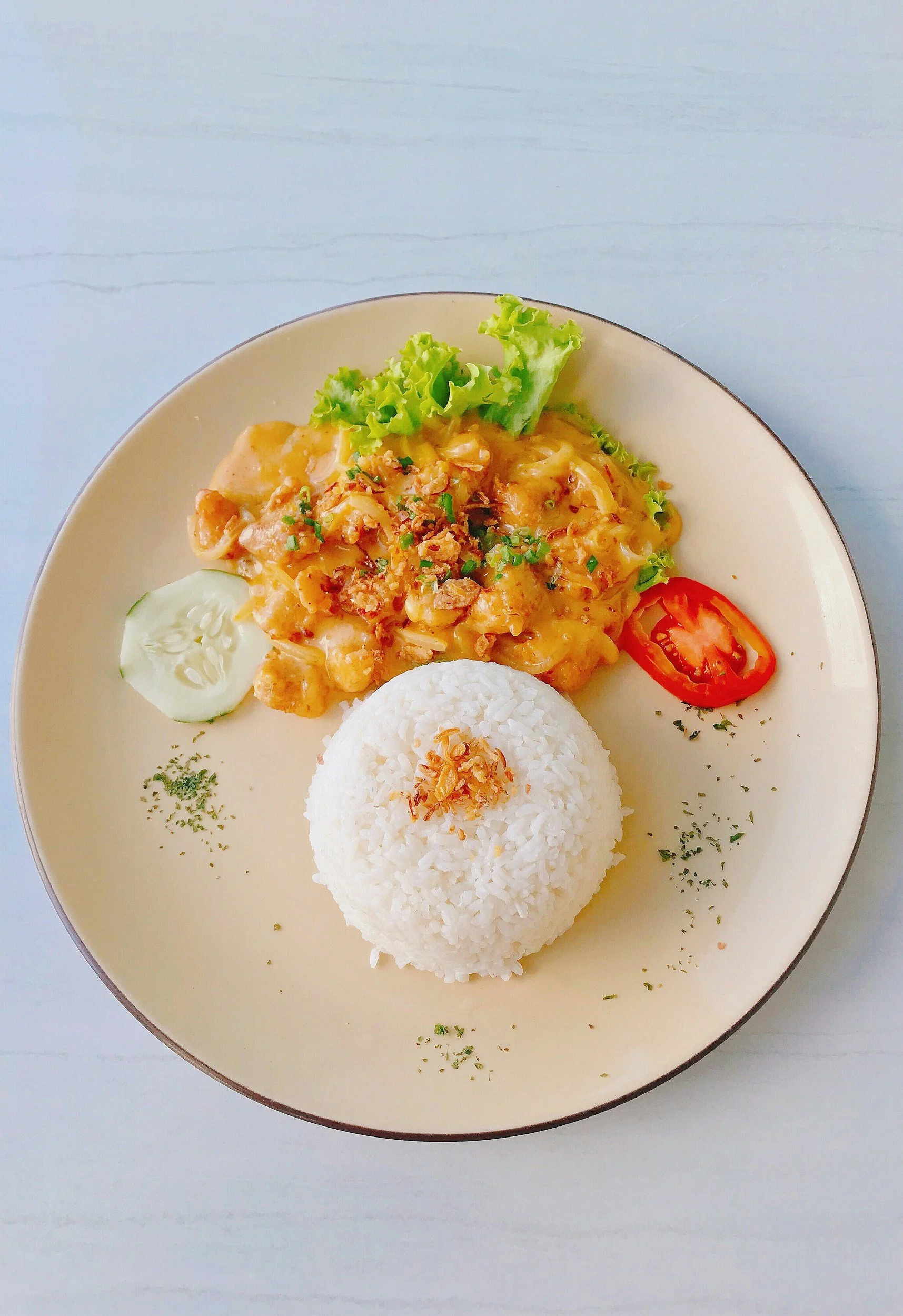
Bali is known for its unique Hindu culture and traditions, lush landscapes including terraced rice fields, beautiful beaches, and a spiritual atmosphere often called the "Island of the Gods". The island is also famous for its traditional arts like dance, sculpture, and painting, its vibrant ceremonies, delicious cuisine, and its status as a popular destination for tourists seeking both relaxation and adventure, such as surfing and volcano hikes.  

In April, Bali transitions from its rainy season to the dry season, offering pleasant, warm, and sunny weather perfect for outdoor activities like beach days and exploring nature. A major event is Nyepi, the Balinese "Day of Silence," a Hindu celebration occurring in April where the entire island observes a day of fasting and silence, which includes airport closures and restricted activity. This month is also ideal for experiencing Bali's unique Hindu culture, visiting its thousands of temples, and enjoying its diverse cuisine, all without the peak-season crowds of the high season.

Appointment

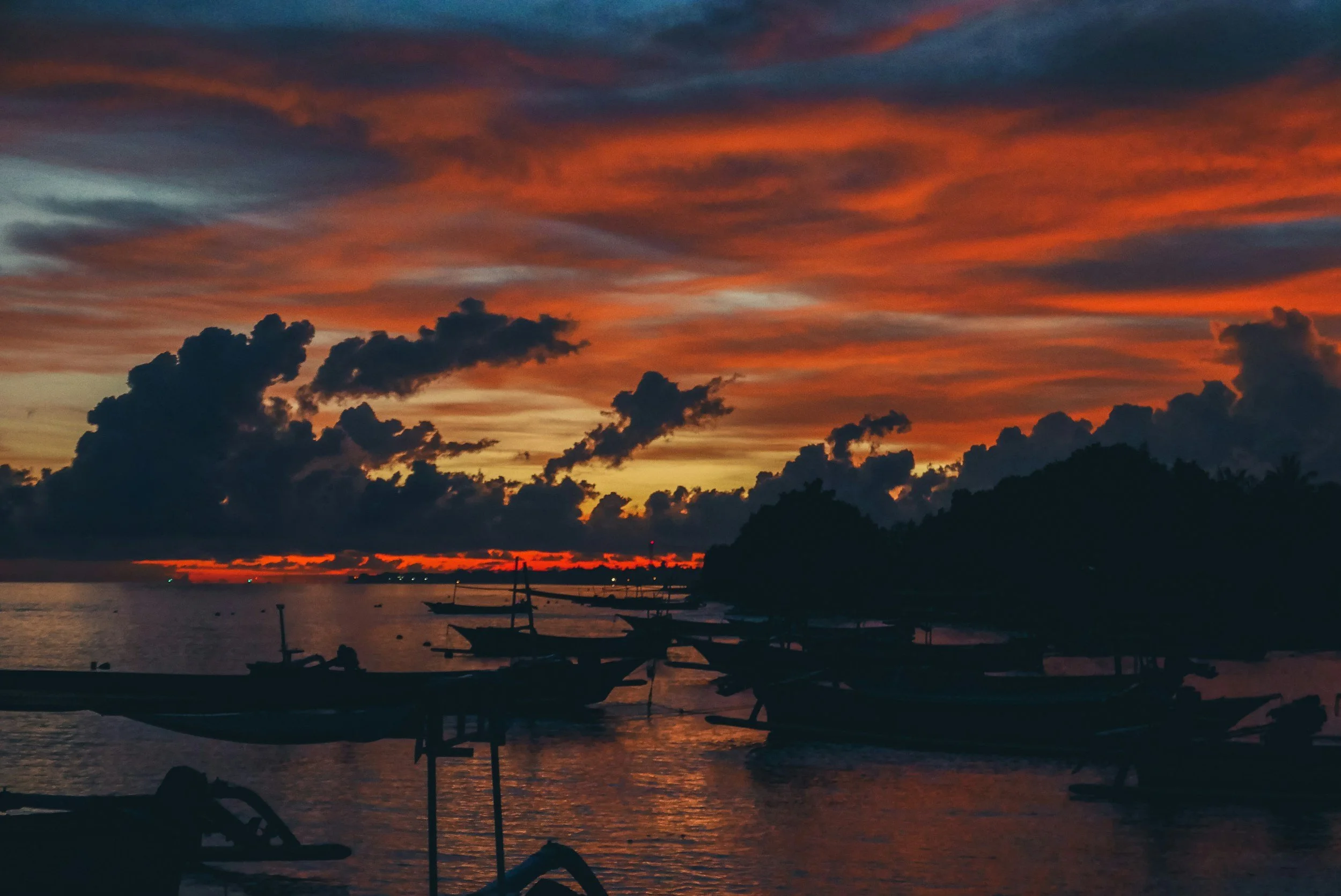
Sunsets

Bali's sunsets are famously dramatic and colorful, with the sun dipping below the horizon on the west coast and casting vibrant hues across the sky. Thanks to the island's equatorial location, sunset times remain relatively consistent year-round, typically between 6:00 and 6:45 p.m.. 

Join Our Trip

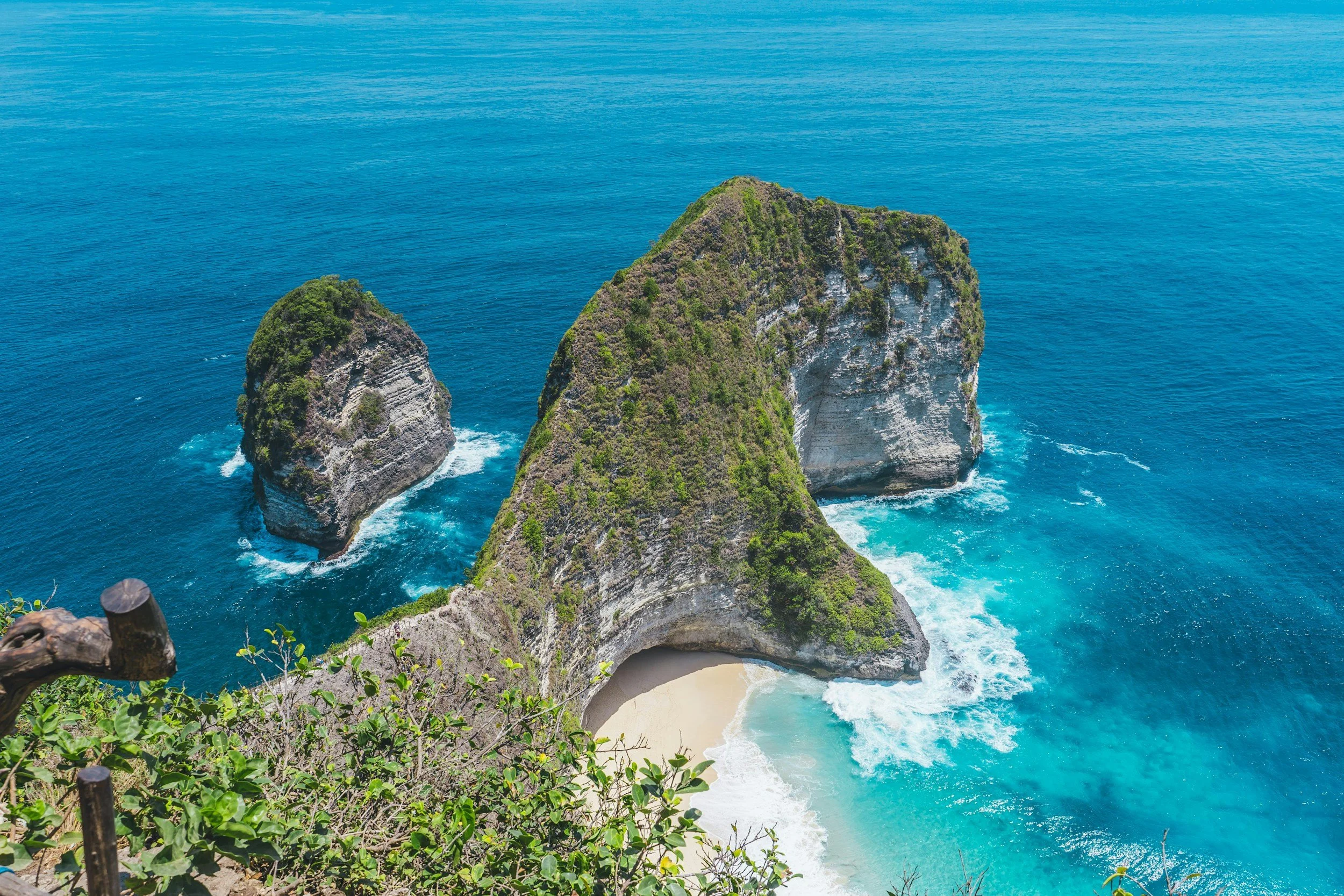
Ocean

Bali is surrounded by the warm waters of the Indian Ocean, specifically the Bali Sea to its north and the Indian Ocean to its south, with the Lombok Strait and Bali Strait to its east and west, respectively. This location places it at the junction of two major ocean currents, the Indian Ocean and the Pacific Ocean, creating a hub for marine life and consistent wave activity, though it also brings significant plastic pollution. The waters are warm, supporting a diverse ecosystem that includes world-renowned diving sites like those near Nusa Penida

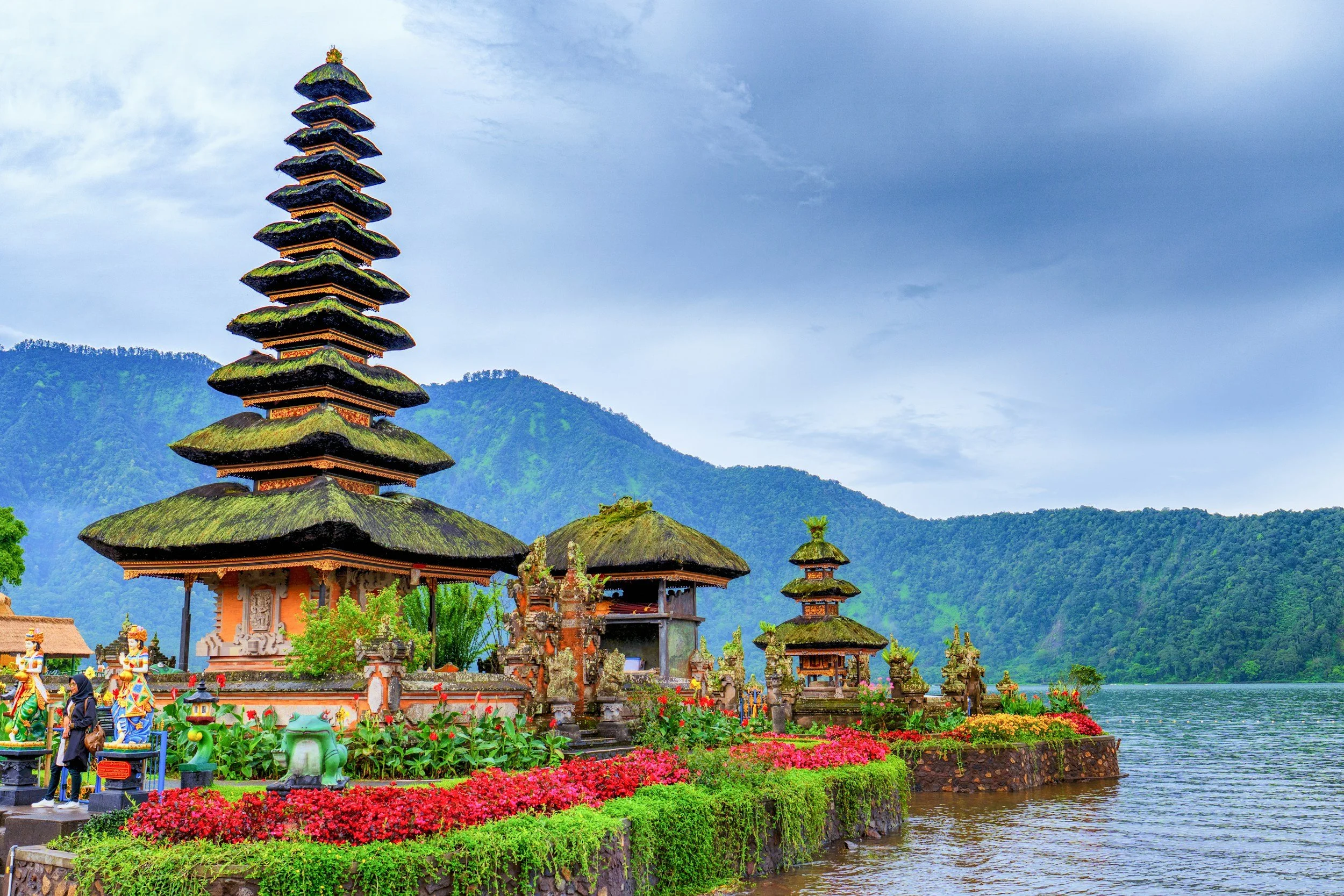
Temples

Bali, Indonesia, is home to over 20,000 ancient Hindu temples, called puras, which are the heart of Balinese culture and spirituality. These architectural marvels serve as both holy sites for worship and community hubs, featuring intricate Balinese design and reflecting a unique blend of Hindu and animist philosophies. Key temples include the "Mother Temple" of Besakih on Mount Agung, the cliffside Uluwatu and island temple of Tanah Lot, the "Heaven's Gate" of Lempuyang Temple, and the lake temple of Ulun Danu Beratan

Previous
Previous

March - Kyoto, Japan

Next
Next

May - Cusco, Peru